📚 Learning Objectives
- Understand the 10 major food preservation techniques
- Learn when to use each preservation method
- Compare advantages and disadvantages of each technique
- Understand food safety principles in preservation
- Learn equipment requirements for each method
- Master decision-making for preservation selection
📹 Educational Videos
Video 1: Complete Overview of Food Preservation Techniques

Video 2: Food Preservation History & Evolution

Video 3: Food Safety & Preservation Science
Video 4: Choosing the Right Preservation Method

Video 5: Equipment Needed for Different Methods
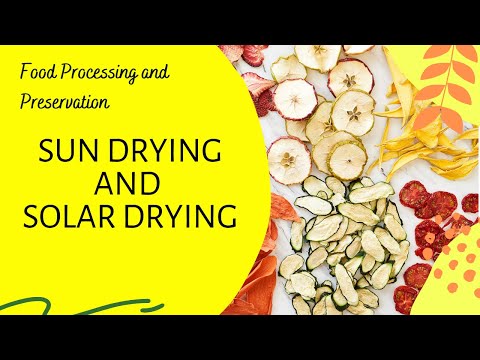
📊 10 Preservation Techniques Comparison
| Technique | Shelf Life | Cost | Equipment Needed | Best For |
|---|---|---|---|---|
| Drying | 6-12 months | Low-Medium | Dryer or sun | Fruits, vegetables, herbs |
| Smoking | 3-6 months | Medium | Smokehouse | Fish, meat, cheese |
| Salting/Brining | 6-12 months | Low | Jars, salt | Vegetables, fish, meat |
| Pickling | 6-12 months | Low-Medium | Jars, vinegar | Vegetables, eggs, fruit |
| Canning | 1-5 years | Medium | Canner, jars, lids | Fruits, vegetables, jams |
| Freezing | 6-12 months | Medium-High | Freezer | All foods |
| Vacuum Sealing | 3-5 years | Medium | Sealer, bags | Meats, prepared foods |
| Waxing | 2-3 months | Low | Wax, pot | Cheese, fruits |
| Sugar Preservation | 1-2 years | Medium | Jars, sugar | Fruits, berries |
| Oil Preservation | 3-6 months | Medium | Jars, oil | Herbs, vegetables, cheese |
🛠️ 6-Step Implementation Guide
Understand how each method preserves food: moisture removal, pH reduction, temperature control, oxygen exclusion, or salt/sugar concentration. Study microbial growth inhibition.
Evaluate available equipment, climate, storage space, and budget. Determine which methods are most practical for your situation and available materials.
Deep dive into each of the 10 techniques. Study advantages (shelf life, flavor, nutrition), disadvantages (cost, complexity, equipment), and best applications.
Identify what foods you want to preserve. Research which methods work best for each product (e.g., pickling for vegetables, smoking for meat, drying for fruits).
Calculate costs for each method: equipment, materials, labor, storage. Determine which methods provide best ROI for your products and scale.
Decide which methods to focus on first. Plan your progression from simplest to complex techniques as your skills and resources grow.
🎓 Knowledge Check - Module 1
🏆 Capstone Project: Preservation Method Selection & Planning
Create detailed comparison chart of 10 techniques. Document pros/cons, costs, shelf life, and equipment needs for each method in your context.
Document your available resources, skills, climate, storage. Analyze which preservation methods are most feasible for you based on your situation.
Choose 3 food products you want to preserve. Research optimal preservation methods for each. List top 2-3 methods per product.
Calculate costs for your top preservation methods. Compare equipment, materials, labor, and storage. Determine break-even point and profitability.
Identify risks for each method: spoilage, equipment failure, market acceptance. Document mitigation strategies for identified risks.
Create timeline for learning and implementing preservation methods. Start with simple, low-cost techniques and progress to complex ones.
Project how you could scale preservation from household to small business. Estimate production capacity, revenue, and investment required.
Document your preservation strategy. Identify your first technique to master. Set specific goals and timeline for the next 3 months.
Module 1 of 6 - Food Preservation Methods | Start with fundamentals, continue to Module 2 for drying techniques!